Nguyên Hưng
Hội họa Việt Nam thế kỷ XX có nhiều hiện tượng đáng chú ý, nhưng ít ai mang tính độc lập và quyết liệt trong cách nhìn về sự tồn tại như Trần Trung Tín. Ông vốn là người lính, từng làm diễn viên điện ảnh, rồi bước vào hội họa không theo lối đào tạo chính quy mà từ một nhu cầu nội tâm tự thân. Với ông, màu sắc trở thành cách để cứu rỗi và chống lại thực tại khắc nghiệt. Để hiểu rõ giá trị và vị trí của ông trong nghệ thuật Việt Nam, có thể nhìn qua ba yếu tố gắn bó mật thiết: đối tượng nghệ thuật, lý tưởng thẩm mỹ và trạng thái sáng tác. Ba yếu tố này giúp giải mã những hình ảnh trên tranh, đồng thời cho thấy cách một cá nhân cô độc tự dựng nên một thế giới thẩm mỹ riêng.
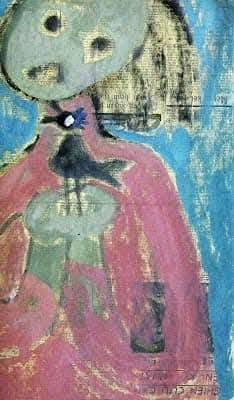
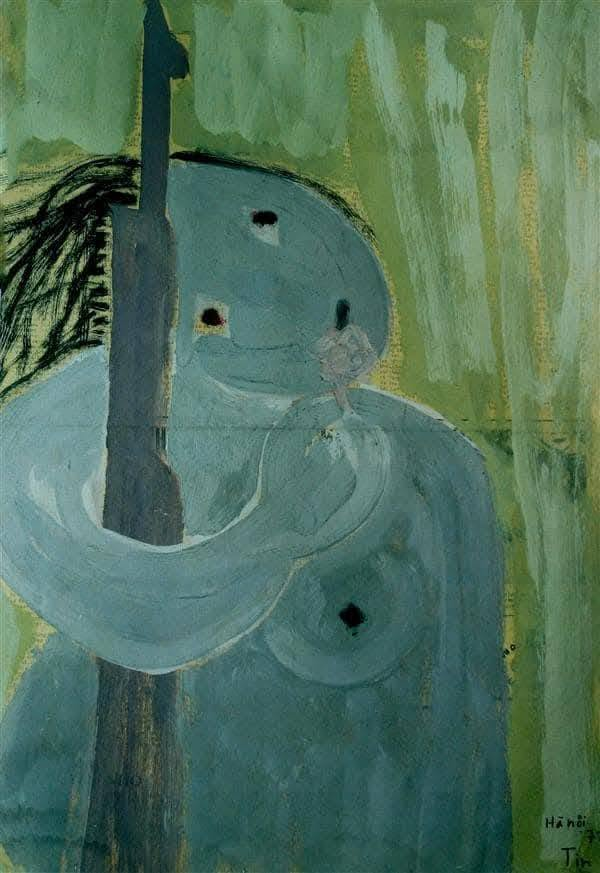
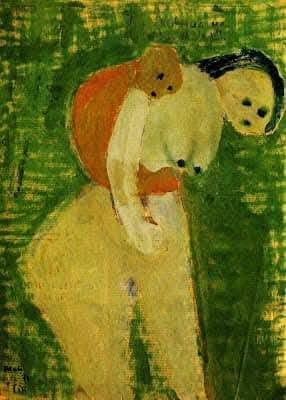
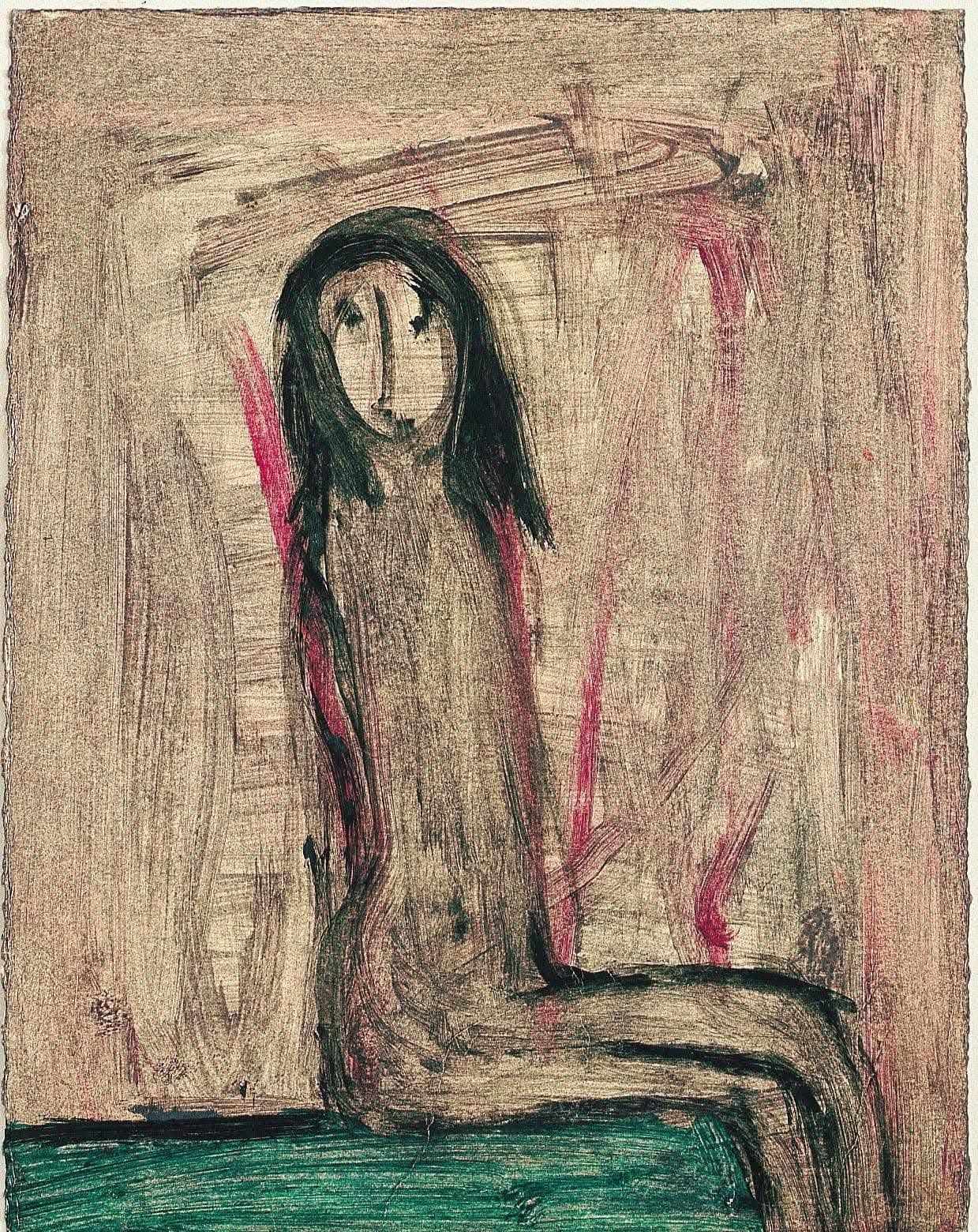
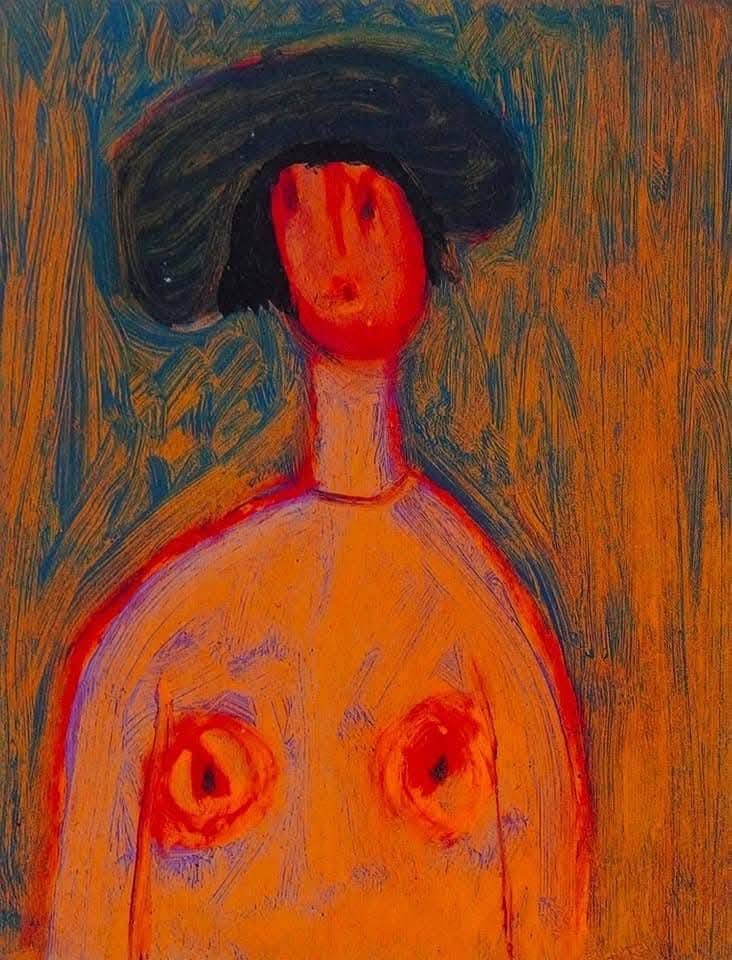
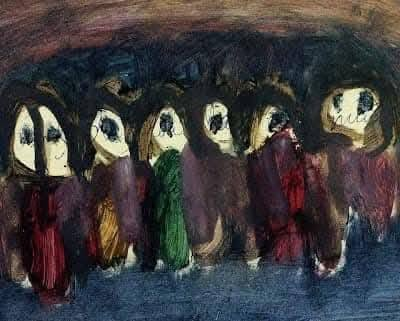
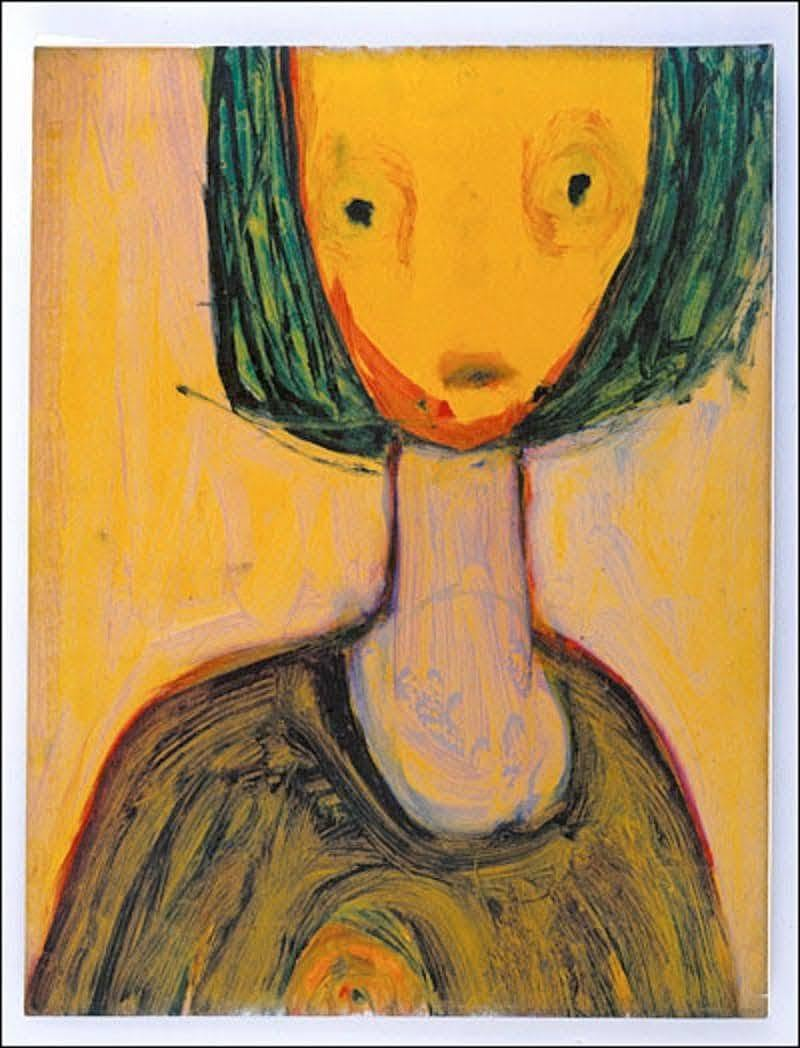
Đối tượng trong tranh Trần Trung Tín, nhất là giai đoạn ông sáng tác ở Hà Nội những năm Mỹ ném bom (1969–1975), khác hẳn với dòng nghệ thuật hiện thực xã hội chủ nghĩa lúc bấy giờ. Trong khi nhiều họa sĩ chọn hình ảnh tập thể anh hùng, công trường, trận địa hay nụ cười người lao động, ông lại hướng tới những con người và không gian nằm ngoài dòng chính: phụ nữ không rõ mặt, gái điếm ven phố, trẻ mồ côi, góc phố đổ nát dưới mưa bom, hay những con chim mang đôi mắt người đầy ám ảnh.
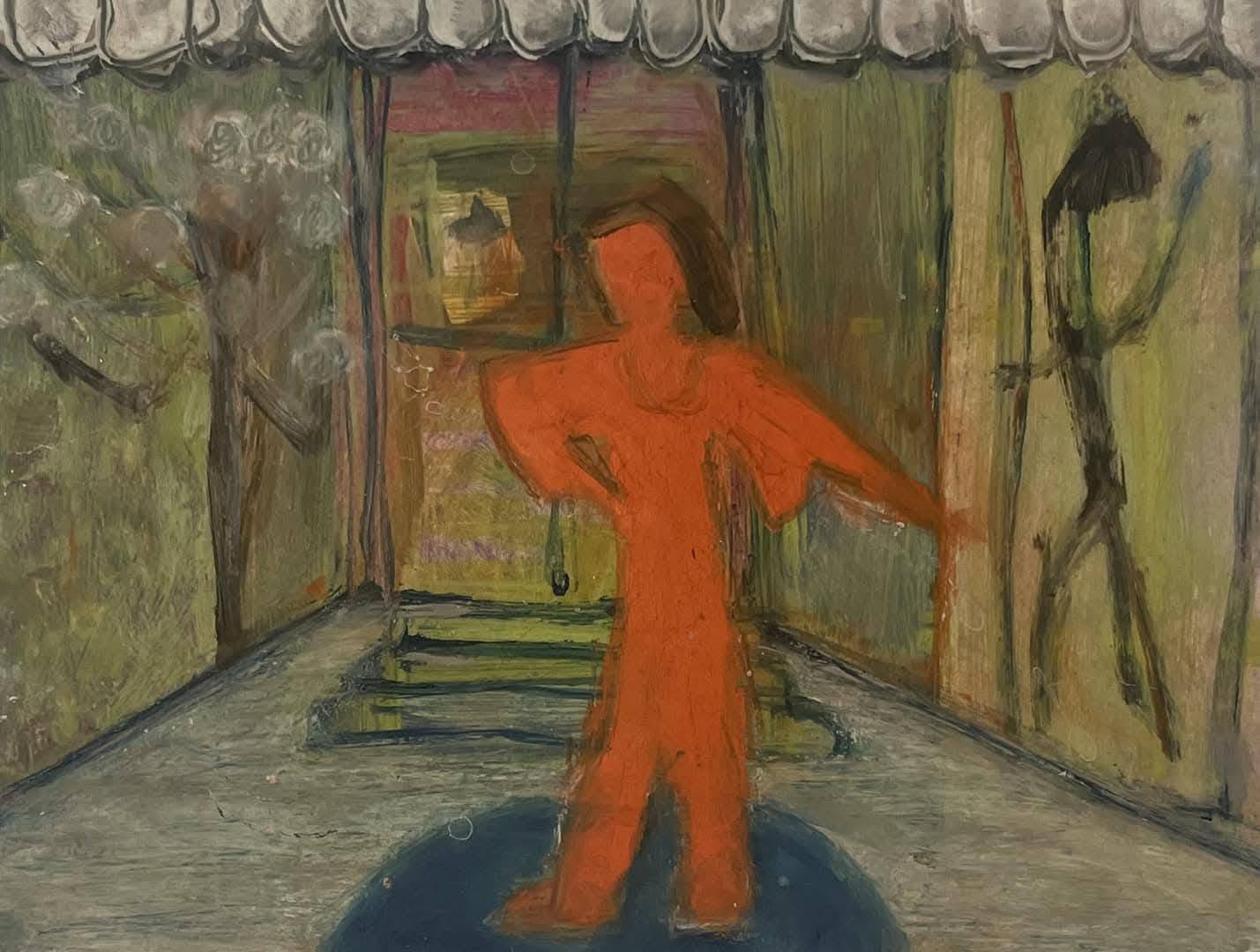
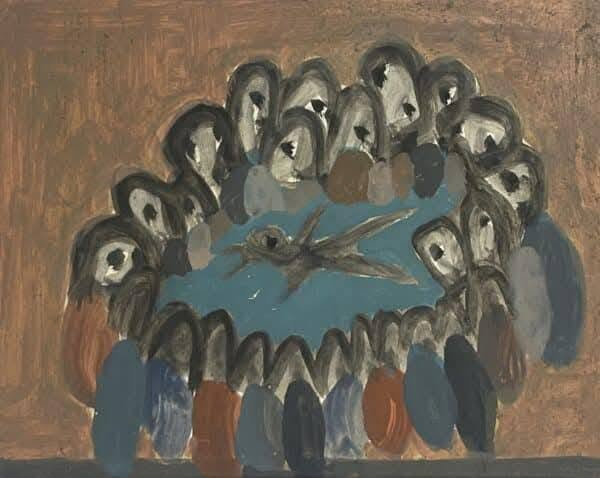
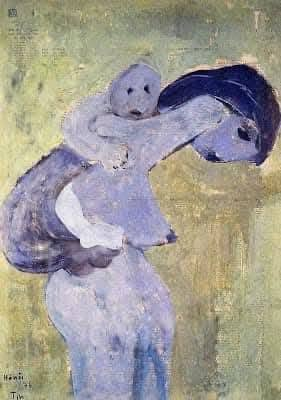
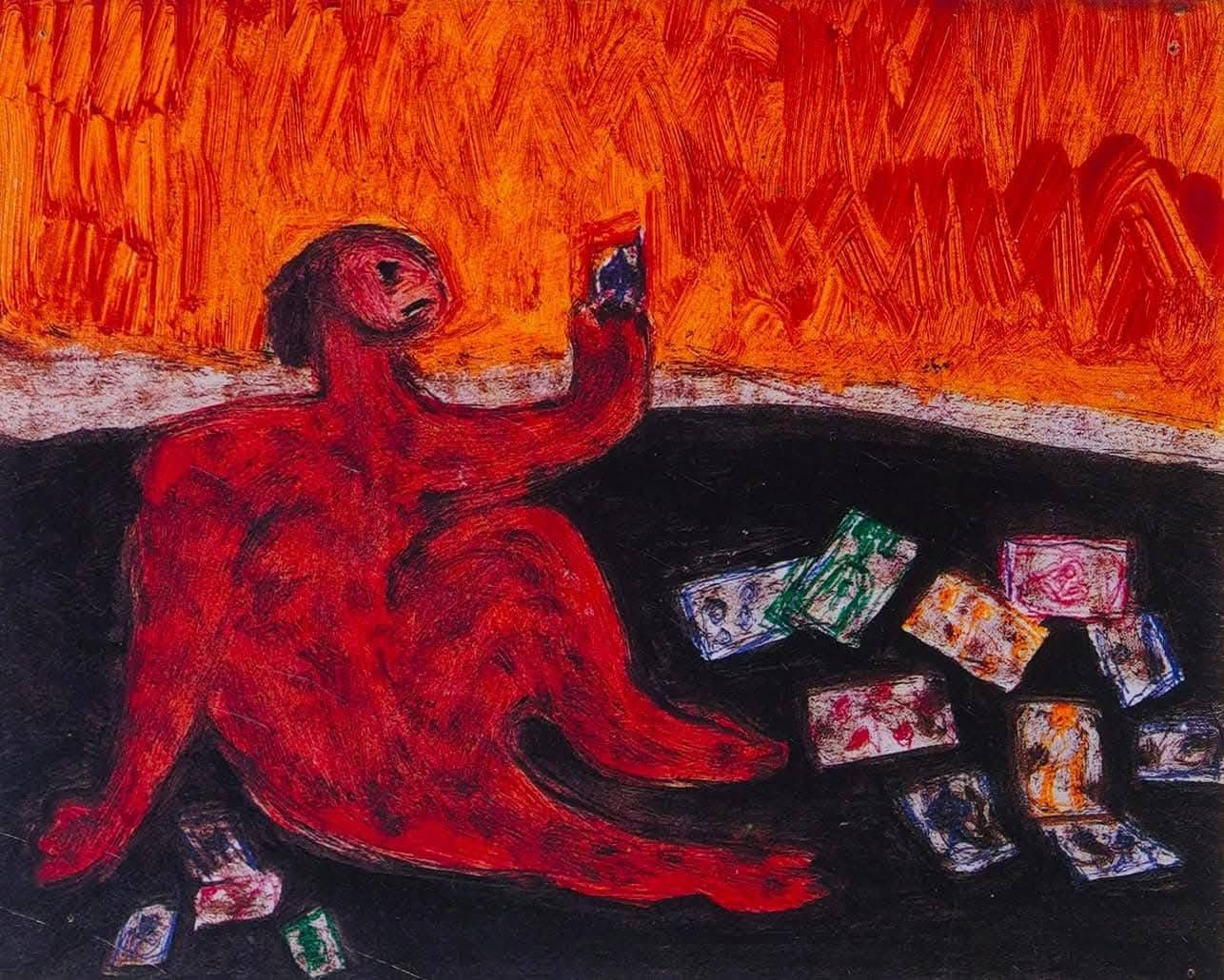
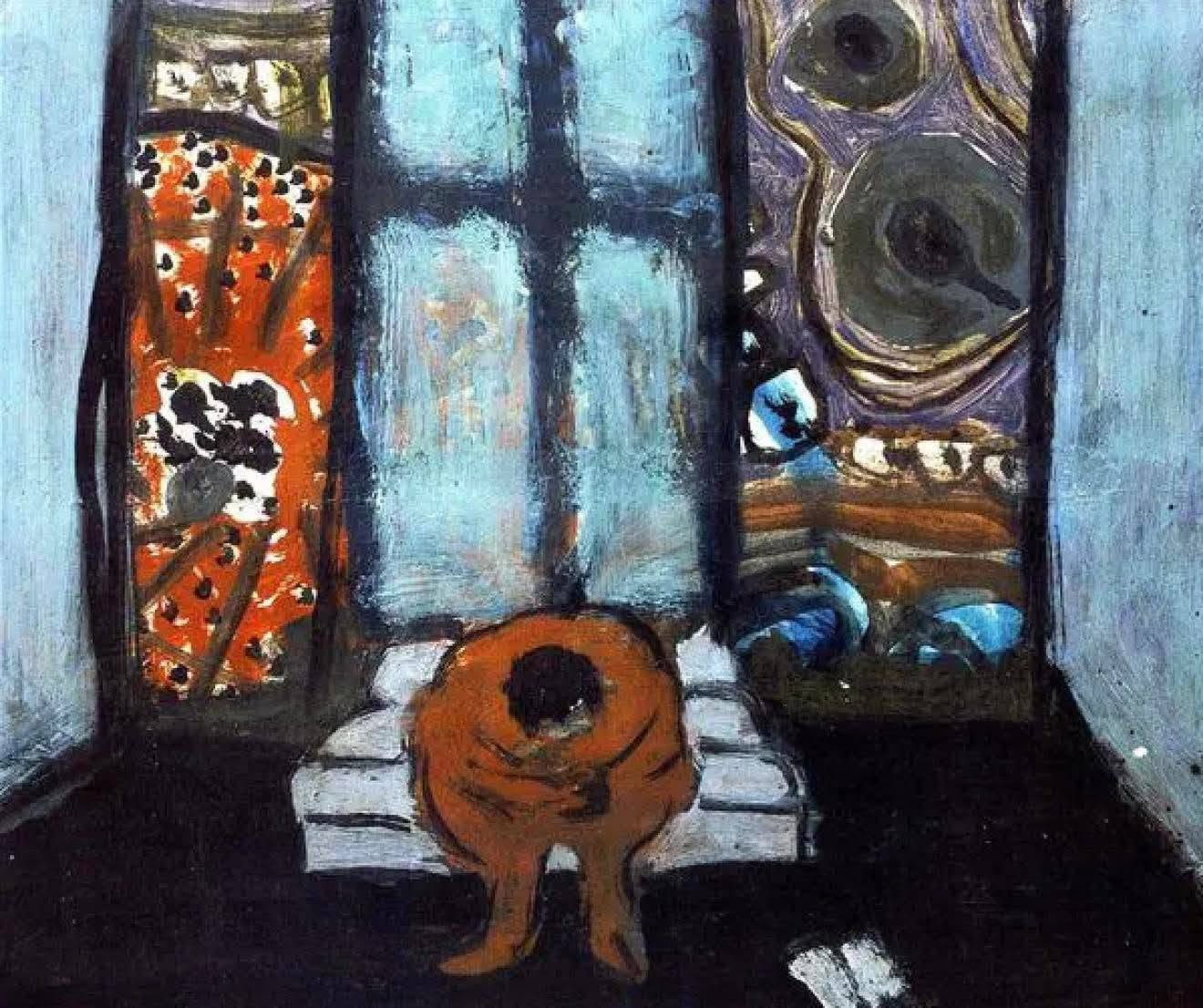
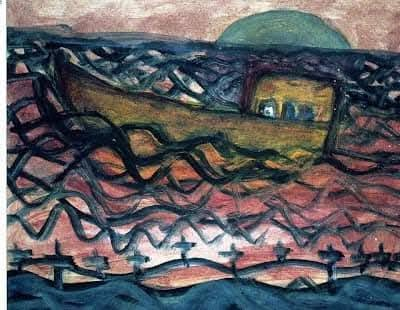
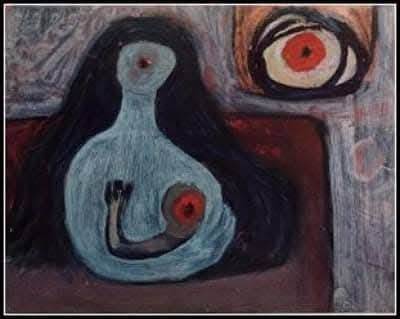
Cách chọn đối tượng của ông không phải là phản ánh máy móc thực tại. Ông giải cấu trúc những gì nhìn thấy để biến chúng thành hình ảnh mang tính biểu tượng. Hà Nội trong tranh ông không phải thành phố với những dấu hiệu kiến trúc dễ nhận, mà là một không gian nội tâm được dựng bằng màu đỏ thẫm, đường nét run rẩy. Thành phố trở thành chứng nhân câm lặng của nỗi đau chia cắt và hủy diệt. Con người trong tranh cũng bị tước bỏ lớp áo giai cấp, nghề nghiệp hay trang phục thời đại, chỉ còn lại những thân hình gầy guộc, khối người đặc quánh, khuôn mặt méo mó với đôi mắt mở to ngơ ngác hoặc đau đớn.
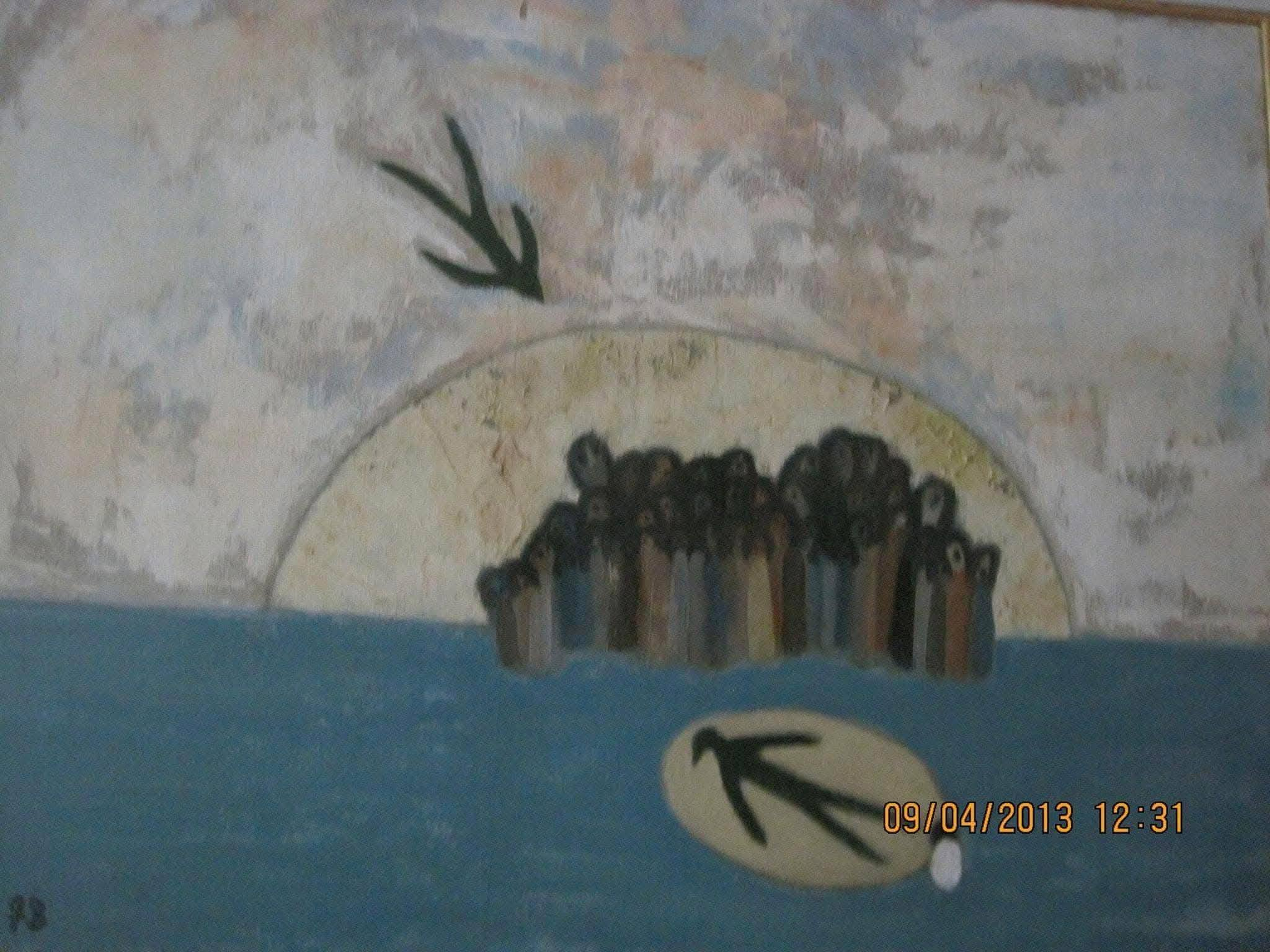
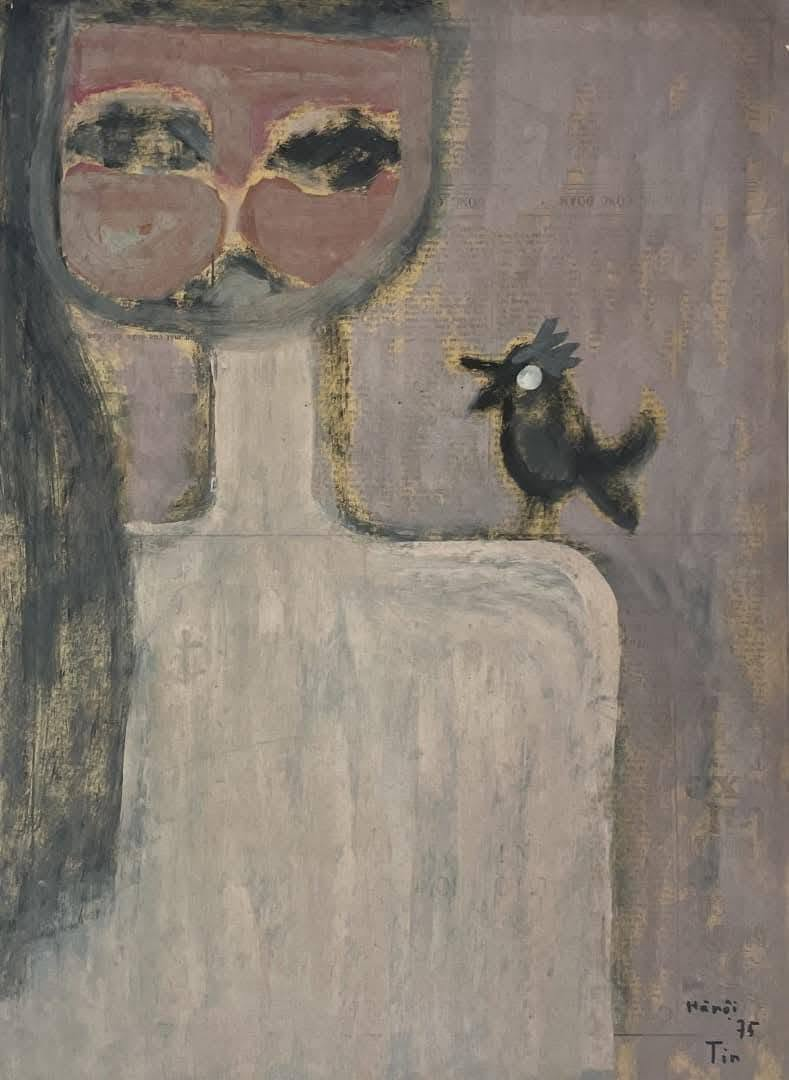
Đỉnh cao trong cách chọn đối tượng của ông là loạt tranh chim và hoa. Chim không còn là loài vật bay nhảy hay hót ca, mà đứng im, mang khuôn mặt và ánh nhìn của con người. Chúng trở thành biểu tượng của khát vọng tự do bị giam cầm, là hình bóng linh hồn cô độc của chính họa sĩ giữa bầu trời đầy bom đạn. Hoa cũng không mang tính trang trí. Chúng rực lên sắc đỏ như vết thương, hoặc héo úa trong màu xám tro. Như vậy, đối tượng nghệ thuật của Trần Trung Tín là sự chủ quan hóa triệt để thực tại. Ông lấy đi thuộc tính vật chất của thế giới xung quanh để biến chúng thành biểu tượng chứa đựng nỗi đau, sự cô đơn và dự cảm lo âu của kiếp người trước định mệnh.
Nếu đối tượng là hình thể biểu hiện, thì lý tưởng thẩm mỹ chính là phần hồn dẫn dắt toàn bộ sáng tạo của ông. Lý tưởng ấy đứng riêng, tạo nên sự phản biện nhẹ nhàng với hệ thẩm mỹ chính thống lúc bấy giờ – hệ thẩm mỹ đề cao cái đẹp khỏe khoắn, lạc quan và mang tính đại chúng. Với Trần Trung Tín, nghệ thuật không phải công cụ tuyên truyền hay minh họa cho bất kỳ ý thức hệ nào, mà là tiếng nói của lương tri và sự thật hiện sinh. Ông xây dựng lý tưởng thẩm mỹ trên nền tảng nhân văn sâu sắc, nơi cái đẹp không nằm ở sự hài hòa, trật tự hay kỹ thuật bóng bẩy, mà ở khả năng phơi bày trung thực nỗi đau của con người và khát vọng hòa bình nguyên sơ nhất.
Ông theo đuổi cái đẹp của sự rạn vỡ, cái đẹp đau đớn. Ông tìm thấy giá trị thẩm mỹ trong những vết thương, trong mất mát và trong sự cô độc cùng cực của cá nhân giữa biến động lịch sử. Lý tưởng ấy quy định nghiêm ngặt ngôn ngữ tạo hình của ông. Ông từ chối luật xa gần truyền thống, từ chối tỷ lệ giải phẫu chuẩn mực của mỹ học phương Tây, từ chối cả cách phối màu êm dịu. Thay vào đó, ông dùng ngôn ngữ biểu hiện thô mộc, trực diện. Màu đỏ máu, vàng chanh, đen đặc, xanh thẫm được đặt cạnh nhau đột ngột, tạo xung đột thị giác mạnh. Với ông, một bức tranh đẹp là bức tranh gây được cú sốc tinh thần, khiến người xem phải đối diện với phần sâu kín nhất của nỗi đau nhân thế.
Lý tưởng thẩm mỹ của ông còn mang tính kháng cự trước sự đồng hóa tư tưởng. Trong hoàn cảnh thiếu thốn của thời chiến, khi họa cụ bị kiểm soát chặt, ông chấp nhận vị thế ngoài lề, vẽ trên báo cũ, bao phân bón hay bất kỳ mảnh giấy nào nhặt được. Sự kháng cự ấy thấm vào từng ý niệm thẩm mỹ. Ông coi việc giữ gìn tự do tuyệt đối trong tư duy nghệ thuật là điều kiện sống còn. Việc ông kiên trì vẽ tranh trừu tượng, chân dung sầu muộn hay không gian phi thực trong giai đoạn ấy chính là tuyên ngôn: nghệ thuật có quyền độc lập, có quyền nói về những góc khuất của tâm hồn, và không ai có thể độc quyền định nghĩa cái đẹp.
Trạng thái sáng tác của Trần Trung Tín là một trong những hiện tượng đặc biệt nhất của hội họa Việt Nam. Không giống nhiều họa sĩ chuyên nghiệp làm việc theo phác thảo, bố cục tính toán sẵn hay kỹ thuật hàn lâm, ông bước vào việc vẽ như người đang thực hiện một nghi thức nội tâm, để giải phóng những ẩn ức và năng lượng dồn nén. Trạng thái ấy mang tính chất gần như xuất thần, nơi ranh giới giữa ý thức và vô thức bị xóa nhòa.
Trong những đêm Hà Nội mất điện dưới bom, ngồi một mình trong căn phòng nhỏ, ông vẽ với tốc độ và sự tập trung cao độ. Ông vẽ bằng cả sức mạnh cơ bắp và sự rung động của cơ thể, đẩy cọ hay thậm chí ngón tay dính sơn chạy trên mặt giấy báo thô. Thời gian vật lý biến mất, chỉ còn cuộc đối thoại giữa người nghệ sĩ và chất liệu. Trạng thái ấy là cơ chế tự vệ, là cách giải độc tinh thần trước cái chết và sự tàn bạo bên ngoài. Ông từng nói nếu không vẽ, có lẽ ông đã phát điên hoặc tìm đến cái chết. Hội họa lúc ấy không còn là nghề hay thú vui, mà trở thành hành vi cứu rỗi duy nhất.
Chính trạng thái sáng tác bộc phát, đầy tốc lực ấy tạo nên năng lượng đặc quánh trên bề mặt tranh. Người xem luôn cảm nhận được sự dang dở cố ý, những vết cọ xước xát, vệt sơn chảy tự do, mảng màu lem luốc không chải chuốt. Đó không phải lỗi kỹ thuật của người nghiệp dư, mà là dấu vết ghi lại hơi thở gấp gáp, nhịp tim dồn dập và trạng thái tinh thần căng thẳng của họa sĩ lúc ấy. Trạng thái sáng tác trở thành dung môi, biến giấy báo cũ thành những tác phẩm biểu hiện có sức lay động sâu xa, thứ năng lượng mà kỹ thuật hàn lâm điêu luyện khó có thể tạo ra.
Hệ thống nghệ thuật của Trần Trung Tín không phải ba yếu tố rời rạc, mà là một cấu trúc vận động liên tục, nơi đối tượng, lý tưởng và trạng thái sáng tác luôn xâm nhập và chuyển hóa lẫn nhau. Lý tưởng nhân văn, hướng nội quyết định việc ông từ chối những đề tài sử thi hoành tráng để chọn những con người nhỏ bé, những chú chim cô độc hay góc phố đổ nát. Đối tượng ấy không đứng yên như hình ảnh tĩnh; nỗi đau nội tại của chúng dội ngược lại, kích hoạt và quy định trạng thái sáng tác. Khi vẽ người đàn bà khóc, tinh thần ông phải đồng cảm đến mức thắt nghẹn, khiến cọ đi những đường mạnh mẽ, dữ dội để giải phóng nỗi đau ấy lên mặt tranh.
Ngược lại, trong lúc sáng tác cuồng nhiệt, khi lý trí buông lỏng kiểm soát, những phát hiện ngẫu nhiên về màu sắc và đường nét lại quay về củng cố và mở rộng lý tưởng thẩm mỹ ban đầu. Vệt màu đỏ loang chảy trên trang báo cũ trong lúc xuất thần không còn là tai nạn chất liệu; nó được lý tưởng thẩm mỹ đón nhận và biến thành biểu tượng của sự sống trỗi dậy từ cái chết. Vòng lặp ấy vận hành khép kín, giúp ông giữ được sự nhất quán phong cách mà không rơi vào nhàm chán.
Sự mất cân bằng đôi khi cũng xuất hiện, đặc biệt sau năm 1975 khi ông chuyển vào Sài Gòn. Bối cảnh đổi khác, tiếng bom im tiếng, đối tượng thời chiến không còn hiện diện trực tiếp. Lý tưởng thẩm mỹ phải đối diện với thực tại hậu chiến phức tạp. Sự hụt hẫng về đối tượng và môi trường sống mới đẩy ông vào những khủng hoảng tinh thần sâu. Nhưng với bản lĩnh của người nghệ sĩ đích thực, ông điều chỉnh lại. Ông tìm những đối tượng nhẹ nhàng hơn nhưng vẫn sâu sắc: hoa súng, chân dung thiếu nữ miền Nam mang vẻ suy tư. Trạng thái sáng tác cũng chuyển từ phẫn nộ dữ dội của thời chiến sang sự tĩnh lặng, suy tưởng mang màu sắc triết lý phương Đông.
Khi nhìn một tác phẩm của Trần Trung Tín hôm nay tại bảo tàng hay bộ sưu tập, chúng ta đang đối diện với một thực thể vật chất chứa đựng mối quan hệ biện chứng đã bị đóng băng theo thời gian. Mỗi bức tranh vẽ trên giấy báo cũ thập niên 1970 là biên bản của một khoảnh khắc hiện sinh độc nhất, nơi cái chết, khát vọng sống, lý tưởng tự do và cơn xuất thần sáng tạo gặp nhau. Ý nghĩa quan trọng nhất khi nghiên cứu ba trụ cột này là “rã đông” tác phẩm. Khi người xem thấu suốt mối liên hệ giữa đối tượng đau đớn ông chọn, lý tưởng nhân bản ông theo đuổi và trạng thái xuất thần lúc hạ cọ, bức tranh sẽ sống lại. Không chỉ thấy những mảng màu, nét vẽ thô trên giấy úa vàng, người xem còn có thể cảm nhận được hơi ấm từ bàn tay run rẩy của họa sĩ và nhịp đập của một linh hồn tự do, kiêu hãnh đang kháng cự lại sự hủy diệt để tồn tại cùng thời gian.
TRẦN TRUNG TÍN: EXISTENTIAL TRAGEDY AND HISTORICAL UPHEAVAL
Twentieth-century Vietnamese painting produced numerous remarkable phenomena, yet few figures exhibited the fierce autonomy and uncompromising vision of existence found in Trần Trung Tín. Originally a soldier and later a film actor, he entered painting not through formal academic training, but out of an urgent, self-generated interior necessity. For Tín, color became an instrument of salvation—a means of resisting an unforgiving reality. To fully grasp his significance and position within Vietnamese art history, one can examine his work through three tightly interwoven dimensions: artistic subject matter, aesthetic ideals, and creative states. Together, these three pillars decode the enigmatic imagery across his canvases while revealing how a solitary individual forged a distinct aesthetic universe entirely on his own terms.
Artistic Subject Matter: The Radical Subjectivization of Reality
The subject matter in Trần Trung Tín’s paintings—particularly during his pivotal Hanoi period amid the American aerial bombardments (1969–1975)—stood in stark opposition to the dominant Socialist Realism of the era. While many of his contemporaries gravitated toward heroic collectives, construction sites, battlefronts, or the optimistic smiles of laborers, Tín turned his gaze toward figures and spaces relegated to the margins: faceless women, streetwalkers, orphans, bomb-shattered Hanoi street corners, and haunting birds staring out with human eyes.
His selection of subjects was never a mechanical reflection of external reality; rather, he deconstructed what he witnessed to transform it into symbolic form. The Hanoi of his paintings is not a city delineated by recognizable architectural landmarks, but an interior psychological space constructed from deep crimson washes and tremulous lines. The city becomes a silent witness to the anguish of division and destruction. Similarly, the human figures in his work are stripped of class markers, professions, and contemporary attire, reduced to the primal essence of existence: gaunt silhouettes, dense anthropomorphic masses, and distorted faces with eyes wide open in bewilderment or pain.
This approach reached its apex in his celebrated series of birds and flowers. No longer creatures of flight or song, Tín’s birds stand immobilized, bearing human faces and gazes. They become emblems of imprisoned freedom—spectral projections of the artist’s own solitary soul beneath a sky heavy with bombs. His flowers, likewise, refuse decorative function; they flare up in crimson like open wounds or wither in ashen grays. Ultimately, Trần Trung Tín’s subject matter constitutes a radical subjectivization of reality. By divesting the surrounding world of its material attributes, he transformed ordinary objects into vessels of grief, isolation, and humanity’s existential dread in the face of fate.
Aesthetic Ideals: The Beauty of Fracture and Quiet Dissent
If subject matter provides the physical form of expression, aesthetic ideal serves as the animating spirit guiding Tín’s entire oeuvre. Standing apart from the mainstream, his ideal staged a quiet yet resolute critique of the official aesthetic orthodoxy of his time—one that championed robust, optimistic, and populist beauty. For Tín, art was neither a vehicle for propaganda nor an illustration of any ideology; it was the voice of conscience and existential truth. He anchored his aesthetic in a profound humanism, where beauty resided not in harmony, order, or polished technique, but in the capacity to unflinchingly expose human suffering and the most primordial yearning for peace.
He pursued an “aesthetic of fracture”—a painful beauty—discovering artistic value in wounds, loss, and the extreme solitude of the individual caught in the machinery of history. This ideal strictly governed his pictorial language. Rejecting traditional linear perspective, canonical Western anatomical proportions, and soothing color harmonies, he adopted a raw, confrontational expressionism. Blood red, acid yellow, dense black, and deep blue were placed in abrupt, jarring adjacency to generate intense visual friction. For Tín, a truly “beautiful” painting was one capable of delivering a psychological shock, compelling the viewer to confront the deepest recesses of human anguish.
Furthermore, his aesthetic ideal embodied an act of resistance against ideological conformity. Amid the severe material scarcity of wartime, when art supplies were tightly controlled, he embraced his marginal status—painting on discarded newsprint, fertilizer sacks, or whatever scraps of paper he could scavenge. This spirit of resistance permeated his very conception of art. Preserving absolute intellectual and creative autonomy was, for him, a matter of survival. His persistence in painting abstract compositions, melancholic portraits, and surreal spaces during those years stood as a quiet manifesto: that art possesses the sovereign right to independence, the right to articulate the hidden shadows of the psyche, and that no authority holds a monopoly on defining beauty.
Creative States: Ecstatic Catharsis on Newsprint
Trần Trung Tín’s creative state remains one of the most extraordinary phenomena in modern Vietnamese art. Unlike professional painters who relied on preparatory sketches, calculated compositions, and academic rigor, he approached the act of painting as an interior ritual—a means of discharging repressed trauma and psychic energy. His creative process bordered on the ecstatic, dissolving the boundary between consciousness and the unconscious.
During blacked-out Hanoi nights under the roar of falling bombs, alone in his small room, he painted with intense speed and concentration. Engaging his full muscular force and bodily tremor, he drove his brush—and at times his paint-stained fingers—across rough sheets of newsprint. Physical time vanished, leaving only an urgent dialogue between the artist and his material. This state functioned as a psychological defense mechanism, a spiritual detoxification in the face of imminent death and external brutality. Tín once confessed that had he not painted, he would likely have descended into madness or taken his own life. In those moments, painting ceased to be a profession or a pastime; it became his sole act of salvation.
It was precisely this spontaneous, high-velocity creative state that generated the dense, visceral energy across his surfaces. Viewers consistently encounter deliberate incompleteness, scratched brushwork, freely dripping paint, and unpolished, smudged planes of color. Far from the technical flaws of an amateur, these marks are physical seismographs recording the rapid breathing, racing pulse, and acute nervous tension of the artist at work. His creative state acted as a catalytic solvent, transmuting discarded newsprint into deeply moving expressionist works imbued with a raw vitality that polished academic mastery could rarely achieve.
The Dialectical Synthesis and Postwar Evolution
Trần Trung Tín’s artistic system did not operate as three isolated components, but as a dynamic, self-generating structure in which subject matter, aesthetic ideal, and creative state continuously permeated and transformed one another. His inward-looking, humanistic ideal dictated his rejection of grand historical epics in favor of marginalized figures, solitary birds, and ruined streetscapes. Yet these subjects never remained static motifs; their inherent anguish reverberated back upon the artist, triggering and shaping his creative state. When painting a weeping woman, his empathy reached a point of visceral constriction, compelling his brush to slash across the surface with violent force to externalize that pain.
Conversely, during moments of frenzied creation when rational control dissolved, accidental discoveries of line and pigment looped back to reinforce and expand his aesthetic ideal. A streak of crimson bleeding across old newsprint in a moment of creative trance was no longer a material accident; his aesthetic vision claimed it, transforming it into an emblem of life surging forth from death. This closed dialectical loop enabled him to maintain stylistic coherence without ever slipping into formulaic repetition.
Moments of disequilibrium did occur, most notably after 1975 when he relocated to Saigon. As the historical context shifted and the roar of bombs fell silent, his wartime subjects receded, forcing his aesthetic ideal to confront a complex postwar reality. The sudden loss of familiar subjects and the disorientation of a new environment plunged him into profound psychological crises. Yet, with the resilience of a true artist, he recalibrated. He turned toward gentler yet equally resonant subjects: water lilies and contemplative portraits of Southern women. Correspondingly, his creative state evolved from the fierce indignation of the war years into a meditative stillness imbued with East Asian philosophical depth.
Conclusion: Thawing a Frozen Existential Moment
To stand before a painting by Trần Trung Tín today—whether in a museum or a private collection—is to confront a material artifact containing a dialectical relationship frozen in time. Each work painted on yellowed 1970s newsprint serves as the forensic record of a singular existential instant where death, the will to live, the ideal of freedom, and creative ecstasy converged. The ultimate purpose of examining these three pillars is to “thaw” the artwork. Once the viewer grasps the intimate interplay between the painful subjects he chose, the humanistic ideal he pursued, and the ecstatic trance in which he wielded his brush, the painting comes alive once more. Beyond crude lines and raw pigment on fragile newsprint, one feels the lingering warmth of the artist’s trembling hand—and the pulse of a free, indomitable soul resisting annihilation to endure across time.
Translated and Revised by: PHẠM QUANG TRUNG