
Tino Cao
Bài được chỉnh sửa lại từ bản tiếng Pháp viết năm ngoái, tưởng nhớ Linda Lê ba năm ngày bà qua đời.
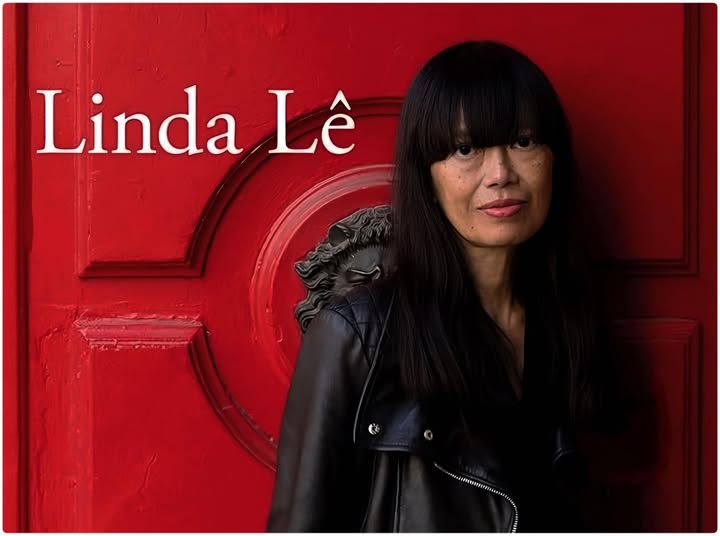
***
Thiết lập tọa độ tương tác giữa quê cha Việt Nam và Linda Lê quả thật là hành trình đầy chông chênh, bởi sợi dây thâm tình phụ tử ấy luôn bị siết chặt trong những cơn co thắt của mặc cảm và hối tiếc khôn nguôi. Cuộc truy vấn này đòi hỏi nhãn quan phê bình tinh tường, khả năng biện luận sắc bén cùng sự cộng hưởng sâu xa với biên độ cảm xúc dị biệt của nhà văn qua từng trang viết đậm tính tự sự. Đó là cõi đi về đau đớn, nơi những rạn nứt tâm linh và sự điên rồ không ngừng bồi đắp, tạo nên thứ nhựa sống nuôi dưỡng lối viết chẳng mấy khi nhằm mục đích xoa dịu, mà ngược lại, còn lạnh lùng khơi sâu thêm những vết thương chưa kịp lên da non để tìm kiếm sự thật trần trụi nhất của thân phận. Linda Lê rút tỉa từ Việt Nam cùng những trải nghiệm riêng tư nhất các chất liệu thô nhám để rồi bà tận tụy chuyển hóa chúng qua lăng kính hư cấu đầy quyền năng nhằm định nghĩa lại bản sắc của bà trong sự cô độc tuyệt đối. Bà không có ý định phơi bày chi tiết tự thuật trần trụi, chính xác hơn, bà thực hiện một cuộc hoán cốt triệt để trên chính kí ức đang rỉ máu của mình, biến những ám ảnh cá nhân thành một thứ tôn giáo của ngôn từ, nơi quá khứ không còn là gánh nặng mà trở thành chất xúc tác cho những cuộc tái sinh mãnh liệt trong văn chương.
Sinh năm 1963 tại Đà Lạt, gia đình bà phải lánh nạn chiến tranh đến Sài Gòn sáu năm sau đó. Tại đây, bà theo học trường Pháp và chính quãng thời gian này cùng biến cố năm 1975 để lại những dấu ấn đặc biệt, nhất là cuộc chia lìa đầu tiên với kho sách bà dày công nâng niu nhưng bị tịch thu bởi quan điểm thanh lọc văn hóa vốn coi đó là loại văn chương suy đồi. Trong bầu không khí nghi kị bao trùm và nỗi sợ bị tố giác, cô gái trẻ vội vã từ bỏ kho tàng chữ nghĩa ngoại quốc đã được dạy dỗ chu đáo. Kể từ chương hồi đau thương đó, sự gắn bó đặc biệt nảy sinh với thứ vốn được coi là chân trời thoát li và cứu rỗi: văn chương.
Sài Gòn ghi dấu sự rạn vỡ giữa cha và mẹ Linda Lê, một bi kịch gia đình u ám dẫn đến cuộc phân li năm 1977: người mẹ đưa các con gái sang Pháp, bỏ lại người cha phía sau. Tại Le Havre rồi Paris, bà tìm thấy nơi trú ẩn trong địa hạt văn chương và trình làng tiểu thuyết đầu tay ở tuổi hai mươi ba. Sự nghiệp sáng tác đồ sộ của Linda Lê, dưới sự bảo chứng của nhà xuất bản Christian Bourgois, sớm nhận về những lời tán dương nồng nhiệt từ giới phê bình văn chương Pháp. Thế nhưng, điều thực sự được ca tụng là bút pháp tỉ mỉ, sắc lạnh hay chính là căn tính Việt ẩn sau tư cách nhà văn? Giới phê bình luôn khao khát định danh Linda Lê như người phát ngôn cho cộng đồng người Việt lưu vong, kì vọng bà diễn đạt nỗi đau dân tộc cùng lòng hoài nhớ viễn xứ. Dù muốn nâng tầm bi kịch cá nhân lên chiều kích phổ quát, bà quyết liệt khước từ mọi vai trò áp đặt. Tâm điểm trong thế giới nghệ thuật của Linda Lê chính là cuộc đấu tranh kép: chống lại sự dán nhãn từ bên ngoài và đối diện với sức nặng nội tại của kiếp lưu vong xa rời phụ thân.
Năm 1995, người cha trút hơi thở cuối cùng tại Việt Nam khi cuộc phân li đằng đẵng từ năm 1977 vẫn chưa cho bà cơ hội một lần tái ngộ. Biến cố này dội vào tâm khảm Linda Lê cơn địa chấn dữ dội, tạo nên cuộc khủng hoảng mang màu sắc huyền bí, đẩy bà vào hành trình để tang bằng chữ nghĩa. Bộ ba tác phẩm Les Trois Parques (1997), Voix (1998) và Lettre morte (1999) chính là hiện thân cho cuộc truy tìm hình bóng phụ thân qua ba miền tâm tưởng: huyền thoại, chiêm bao và ảo mộng. Ở đó, người cha hiện lên đầy nghịch lí, khi là đối tượng muốn rũ bỏ, khi thì được lí tưởng hóa đến cực đoan, lúc lại phân thân trong dáng dấp kẻ sa ngã hay gã tình nhân đắc thắng.
Lối viết được bà thể hiện ở giai đoạn này mang đậm tính khổ hạnh, khiến tôi có cảm giác đó như cuộc hành xác của bà trên trang giấy. Đắm chìm trong ảo giác và những ý niệm tự sát, nhà văn Linda Lê từng phải điều trị tâm thần trong thời gian dài. Với bà, người cha vừa là độc giả lí tưởng, vừa là bến đợi duy nhất cho mọi suy tưởng. Khi bến đợi ấy sụp đổ, bà rơi vào thinh lặng vì mất đi tiếng vọng của chính mình. Dẫu vậy, chính mặc cảm tội lỗi của kẻ đào thoát, kẻ đã phản bội cha thay vì đủ dũng khí tiêu diệt hình bóng ấy, lại trở thành động lực để bà tồn tại. Người cha, từ một thực thể đã khuất, trở thành vị khách viếng thăm thường trực, vừa ám ảnh vừa là nguồn nhựa sống nuôi dưỡng toàn bộ di sản văn chương của bà.
Sự mất mát người cha trở thành hạt nhân cho chủ đề tàn tích xuyên suốt hành trình sáng tác của Linda Lê. Trong dòng chảy lịch sử nghệ thuật và văn học, tàn tích vốn là hiện thân của niềm u hoài trước một trật tự cũ đổ nát, là dư chấn đau buồn sau thảm họa. Marie-Magdeleine Chirol đã làm hiển lộ quá trình Linda Lê biến kí ức thành những đống hoang tàn, từ đó khơi dậy cơn sang chấn nội tâm mãnh liệt. Trong Calomnies (1993), ý niệm này tồn tại qua những mảnh ghép rời rạc, hình tượng người cha bị nhân bản hóa nhiều lần. Chính sự phân rã này tạo nên vẻ hoang phế cho hình tượng phụ thân, buộc người viết phải đào bới trong tầng sâu tâm thức để tìm lại cội nguồn giữa những mảnh vụn đổ nát. Cái hoang phế ấy bao trùm lên ba phương diện cốt lõi. Đầu tiên là bi kịch của người cha, kẻ vì gánh nặng gia đình và bóng ma chiến tranh đã lỡ dở giấc mơ nghệ sĩ. Tiếp đó là sự tan vỡ của tình phụ tử, một sợi dây thiêng liêng bị cuộc li hương hủy hoại tận gốc rễ. Cuối cùng, đó là sự hoang tàn trong chính cuộc đời người con gái khi phải nỗ lực tái thiết bản sắc từ hư vô. Chủ đề tàn tích vì vậy không chỉ dừng lại ở sự rạn nứt gia đình như một cơ thể bị cắt rời chi thể mà còn ám chỉ sự hủy diệt thể xác với những hình hài mang vết sẹo chiến tranh, hiện lên đầy quái dị, phân mảnh và vắng bóng, tựa những hồn ma của một Việt Nam thời thơ ấu.
Nếu trong thế giới của Marguerite Duras, sự hủy diệt có thể được thi vị hóa qua nỗi nhớ về một thuở êm đềm đã mất, thì ở Linda Lê, tuyệt nhiên không có vẻ đẹp nào nảy sinh từ việc chiêm ngưỡng di tích. Không có sự siêu việt nào thoát thai từ những hình hài khiếm khuyết. Lối viết của bà nồng nặc mùi tử khí và đẫm sắc đỏ của máu. Những tàn tích ở đây không đóng vai trò gợi nhắc niềm hối tiếc mà là hiện thực nội tại mang tính phổ quát. Từ nhãn quan này, có thể thấy hình ảnh người cha và Việt Nam hòa quyện chặt chẽ trong tâm tưởng Linda Lê, khi nỗi trống trải về người này luôn viện dẫn cho khoảng cách diệu vợi của thực thể kia.
Sau Les Trois Parques, Linda Lê tự tay thiêu hủy bản thảo rồi chìm khuất vào cõi cô độc tận cùng, thậm chí từng tìm cách chối bỏ sự sống. Khi đối diện với câu hỏi về kẻ mà mình muốn khai trừ, bà bộc bạch rằng người ta không thể cầm bút nếu thiếu đi lòng căm ghét bản thân, cũng như nếu không dám truy vấn bóng hình song trùng đang mang vác như một xác chết. Bà cảm giác thực thể băng lạnh bên trong mình chính là Việt Nam, một hài nhi đã chết mà bà hằng cưu mang. Vậy mà, tuyệt nhiên không bao giờ bà thốt lên lời nhớ nhung hay tỏ lòng hối tiếc vì đã rời bỏ quê hương. Mối dây liên hệ giữa bà và xứ sở ấy đã bị chặt đứt phũ phàng, giống như Joseph Conrad, bà quan niệm trở về là một cuộc đối chất để thanh toán nợ nần.
Linda Lê tự tại trong tâm thế thuộc về mọi nơi nhưng không thuộc về nơi nào, bởi tổ quốc duy nhất của bà là văn chương. Bà trân trọng đặc quyền được hóa thân thành kẻ tha hương viết bằng tiếng Pháp, và mơ về ngày có thể cất tiếng hát về Việt Nam thông qua việc phản bội nó. Ý niệm này cho thấy nỗ lực bền bỉ của Linda Lê khi chiếm lĩnh tiếng Pháp, biến nó thành khí giới riêng trên trang giấy. Cách bà chọn đứng giữa những nan đề về tiếng mẹ đẻ và ngôn ngữ xứ người vừa bộc lộ một thái độ sống quyết liệt, vừa tiến hành một cuộc đấu tranh dai dẳng xuyên suốt toàn bộ di sản bà để lại cho đời. Tiếng Pháp với bà không phải một lựa chọn ngẫu nhiên, đó là nơi trú ngụ duy nhất khi những gốc rễ khác đã bị bứt lìa. Chính trong sự chênh vênh giữa hai bờ văn hóa, bà đã kiến tạo nên một tiếng nói độc bản, mỗi chữ viết ra đều mang sức nặng của một cuộc hồi hương không thành.
Mọi chuyện khởi đầu từ một “tội ác ngôn từ” đầy khốc liệt. Linda Lê gọi đó là hành vi “giết viên quan lại” (tuer le mandarin), nhát dao chí mạng nhắm vào trật tự cũ và đạo đức truyền thống. Với bà, đây không hẳn là sự thay đổi ngôn ngữ mà là hành động của kẻ bội giáo, kẻ tự tay khai tử đất nước và tiếng mẹ đẻ để khai phóng cho những viễn cảnh mới. Năm mười tám tuổi, bà quyết liệt đoạn tuyệt với tiếng Việt, để nó lùi xa vào quên lãng như một sự hi sinh tất yếu. Giờ đây, trong bà chỉ còn sót lại vài mảnh vụn kí ức, thứ ngôn ngữ bề mặt đã mất đi sợi dây tâm giao linh hiển. Bà lặng lẽ để nó chết đi, dọn chỗ cho mầm sống khác tượng hình trên cái xác của quá khứ. Tội ác này được bà biện minh qua sự đồng điệu với Emil Cioran; bà tự coi mình là tay điệp viên kép viết bằng thứ tiếng không phải của mẹ cha. Khi quay lưng với cội nguồn, bà tin rằng con người không trú ngụ trong biên giới địa lí mà trú ngụ trong ngôn ngữ. Tổ quốc, với bà, chỉ gói gọn trong ý niệm ấy. Dẫu vậy, việc tiêu diệt “viên quan lại” chưa bao giờ là điều dễ dàng khi bóng ma ấy vẫn hằng đêm quay về ám ảnh, chất vấn sự từ bỏ của bà. Linda Lê bền bỉ viết bằng tiếng Pháp, thứ Pháp ngữ dị biệt, đặc quánh và giàu có, mang sức mạnh phân tích cùng phong thái diễn thuyết của thế kỉ mười bảy. Lối viết của bà biến chuyển theo từng tác phẩm, nhưng sự thâm sâu trong nghề chữ cho phép bà giễu nhại chính thứ tiếng đang vay mượn để đứng ngang hàng với dân bản xứ.
Linda Lê nhấn mạnh khoảng cách khi chạm vào tiếng Pháp cùng sự tự do mà nó mang lại, từ đó mặc sức chơi đùa với căn tính của nhà văn gốc Việt. Chính vì không thuộc về truyền thống nào, bà có thể đối đãi với ngôn ngữ này như kẻ dị giáo đứng trước thần tượng: bà hồi sinh nó, nhào nặn nó và trở thành người tạc tượng cho nó. Mối liên hệ đặc biệt này hé lộ ý chí tự định đoạt bản sắc. Giữa lằn ranh Pháp và Việt, Linda Lê khước từ mọi khuôn mẫu áp đặt để tự định nghĩa chính mình trong thế giới văn chương.
Dựa trên các nghiên cứu của Leslie Barnes, nhà phê bình văn học chuyên về văn chương hậu thuộc địa, tác phẩm Voix ra đời như hồi thứ hai đầy ám ảnh trong hành trình tang chế người cha của Linda Lê. Giữa khối hỗn mang của những lời nguyền rủa và diễn ngôn hoang tưởng, nhân vật người kể chuyện hiện ra như nạn nhân của một cuộc khủng hoảng huyền bí dữ dội. Người đàn bà ấy phải đơn độc chống chọi với “Tổ chức” (L’Organisation), một thực thể bí ẩn luôn đe dọa tiêu diệt những tác giả đau khổ nếu họ khước từ việc đứng vào hàng ngũ. Sự điên rồ và diễn ngôn tâm thần phân liệt ở đây đã phơi bày những áp lực phân loại nghiệt ngã đang đè nặng lên ngòi bút Linda Lê.
Barnes chỉ ra ba vai trò cưỡng chế của “Tổ chức” này. Trước hết, đó là sự áp đặt của văn hóa Pháp chính thống, buộc người nhập cư phải xóa sạch căn tính cũ. Hành động buộc nhân vật đốt những bức thư của cha chính là biểu tượng cho sự đồng hóa tàn khốc, nhằm cắt đứt mọi mối liên kết với quá khứ Việt Nam. Tiếp đến, “Tổ chức” đại diện cho chính cộng đồng người Việt lưu vong hải ngoại, nơi luôn tìm cách kiểm soát bản sắc và số phận của từng thành viên để bảo vệ vị thế tập thể trước nền văn hóa sở tại. Bất kì nỗ lực thoát li nào của người trí thức cũng bị coi là sự đe dọa, dẫn đến những hình thức đàn áp tinh thần tinh vi. Sau cùng, “Tổ chức” hiện thân cho thị trường văn học hậu thuộc địa vốn đầy rẫy định kiến, nơi giới cầm bút như bà bị đóng khung trong vai trò “người Việt lưu vong” và phải viết theo những tiêu chuẩn về tính xác thực mà người bản xứ mong đợi. Cuộc khủng hoảng của Linda Lê, vì thế, chính là ý chí khát khao tìm kiếm một tiếng nói riêng biệt, tách rời khỏi dòng văn chương nhập cư vốn bị mặc định là tiếng nói của những kẻ không có tiếng nói.
Trước sự dán nhãn ấy, Linda Lê chọn cách đấu tranh quyết liệt. Theo góc nhìn của Leakthina Chau-Pech Ollier, một học giả nghiên cứu về văn hóa và lưu vong, Linda Lê tựa như nhành lục bình không rễ, dập dềnh trôi giữa những khoảng lặng im và sự dư thừa ngôn từ. Cuộc đấu tranh này đôi khi đẩy bà đến ý niệm về cái chết tự nguyện như một lộ trình tất yếu để giải phóng bản thân khỏi gông cùm của “Tổ chức”. Tuy nhiên, rào cản ngăn người Việt tại Pháp định nghĩa bản sắc còn đến từ cả hai phía: một vùng đất đón nhận luôn khuyến khích sự quên lãng để đồng hóa, và những cá nhân tự ức chế trong nỗ lực tìm kiếm chính mình.
Trong Les Trois Parques (Ba nữ thần số mệnh), Linda Lê phác họa sự bất lực của kẻ lưu vong qua ba nhân vật phụ nữ với những dòng tự sự khép kín và nghịch tai. Qua lăng kính của Lise-Hélène Smith, nhà nghiên cứu văn học Pháp ngữ, diễn ngôn của ba người đàn bà này đại diện cho một cộng đồng hải ngoại đang loay hoay biện minh cho cuộc đào thoát bằng những quan điểm chính trị cứng nhắc. Vì chưa từng thực sự trải nghiệm những giá trị cá nhân, họ lao vào các cuộc chỉ trích gay gắt như một cách để giảm bớt sức nặng tội lỗi. Việt Nam trong họ chỉ còn là những mảnh kí ức cay đắng, trôi nổi mà không thể cắm rễ để tạo nên một bản sắc mới chính danh. Họ nỗ lực xây dựng một hình ảnh quê hương kinh hoàng để làm tấm gương phản chiếu, hòng tự huyễn hoặc về hạnh phúc nơi xứ người. Thế nhưng, sự hổ thẹn và mặc cảm phản bội vẫn âm thầm gặm nhấm, biến cuộc đời họ thành một màn kịch vụng về, phơi bày sự bất lực hoàn toàn trong việc tương tác với môi trường sống mới.
Bức họa mà Linda Lê phác dựng về những kiếp người nhập cư luôn hừng hực một vẻ bi quan và phẫn nộ cùng cực. Thế nhưng, đằng sau những khuôn mặt ấy, dường như người bà muốn tố cáo gay gắt nhất lại là chính bản thân mình. Trong Les Trois Parques, nhân vật người đàn bà cụt tay hiện lên như hiện thân của nỗi bất hạnh tận cùng: cô là kẻ duy nhất dám từ bỏ màn kịch hạnh phúc giả tạo ngay từ đầu, để rồi lún sâu vào sự câm lặng mang tính bệnh lí, một trạng thái lửng lơ nơi mọi nỗ lực thăng hoa đều trở nên vô vọng.
Với Linda Lê, văn chương chưa bao giờ đóng vai trò xoa dịu hay an ủi; chính lối viết mang tính xúc tác nghiệt ngã đã trở thành lối thoát duy nhất cho những dồn nén, một loại biệt dược để chữa trị những vết thương tâm linh chưa bao giờ khép miệng. Giữa những mảnh vỡ của kí ức hoài niệm vốn chẳng hề tương xứng với một Việt Nam định hình trong trí tưởng tượng của số đông, bà khao khát tìm lại sự hòa hợp nội tại giữa một bản thể tan tác. Viết, vì lẽ đó, đã trở thành hành vi sinh tồn mang tính sống còn. Chính nhịp điệu và hơi thở trong từng con chữ khiến sự tồn tại của bà trở nên sống động dù đó là sự sống đau đớn, để rồi khi tấn công trực diện vào độc giả, bà đẩy họ vào thế lúng túng trước một tác phẩm không ngừng nhào nặn, biến đổi, vượt thoát khỏi mọi sự chiếm hữu hay định nghĩa thông thường. Sự bất khả nắm bắt ấy không chỉ là thủ pháp nghệ thuật, đó là ranh giới sau cùng đưa toàn bộ di sản của bà vào miền cảm thức riêng tư và thâm nghiêm nhất, nơi mỗi người phải tự đối diện với những rạn nứt của chính mình. Bốn năm kể từ ngày Linda Lê rời bỏ cõi tạm, những tàn tích chữ nghĩa bà để lại vẫn không thôi ám ảnh, tựa lời nhắc nhở lạnh lùng và kiêu hãnh rằng: khi một quê hương địa lí đã bị khước từ, con người ta chỉ còn có thể nương náu trong vương quốc của ngôn ngữ, nơi những vết thương không bao giờ kết vảy lại chính là dấu chỉ cho một sự phục sinh bất tử.
Linda Lê: esthétique des ruines, écriture sans patrie
Trois ans se sont écoulés depuis le départ de Linda Lê, le 9 mai 2022, et la littérature française contemporaine demeure encore saisie par le vide qu’elle a laissé derrière elle. Un vide impossible à circonscrire par des appellations, et que nul cortège funèbre ne saurait combler. Pour Linda Lê, dès son arrivée en France à l’âge de quatorze ans, l’écriture devint la seule manière d’habiter un monde désormais privé de patrie. Elle s’est façonné un territoire d’écriture singulier, sans frontières, sans nationalité, sans ancrage. Ne subsiste que la langue, comme une sépulture silencieuse, ultime trace d’un être effacé.
Écrire sur Linda Lê, c’est toujours pénétrer une terre accidentée de mémoire, où la littérature n’est pas seulement un matériau d’expression, mais aussi un champ de bataille intérieur. Le nom de Linda Lê est devenu, depuis longtemps, le symbole d’une forme d’hétérotopie dans la littérature postmoderne française, là où le moi en exil refuse toute identité stable pour n’être plus qu’une voix vacillante, errant entre les échos de l’exil, de la destruction et de la résurrection.
J’ai lu les écrits de quelques critiques français à son sujet. Beaucoup hésitent à la rattacher au Vietnam, tant la relation entre ces deux entités semble dépasser les frontières ordinaires de l’histoire ou de la géographie. Elle est de l’ordre du lien de sang et de l’attache spirituelle, à la fois brûlante et sanguinolente, empreinte de l’âme d’un enfant abandonné, et du visage d’une traîtresse en exil. Le Vietnam chez Linda Lê n’est pas un concept géographique, mais une contrée de souvenirs brisés que la littérature tente de ressusciter dans une transe hallucinée. Là, le langage ne vient pas apaiser la douleur: il l’expose, l’exhume, en un rituel d’invocation.
Née en 1963 à Dalat, Linda Lê grandit dans les années tumultueuses de la guerre du Vietnam. En 1977, elle quitte Saïgon pour la France avec sa mère et ses trois sœurs, laissant derrière elle son père, un peintre raté, englouti par les ruines de l’histoire. Cette séparation – qu’elle n’avait pas choisie – laissa en elle une blessure sourde, qui l’accompagna toute sa vie et imprégna son univers artistique. Lorsque son père mourut en 1995, après près de vingt ans d’éloignement, la douleur se raviva, la poussant à s’engager dans une trajectoire littéraire empreinte de deuil et de tourment. La figure paternelle devint alors centrale dans de nombreux ouvrages, non comme simple souvenir, mais comme une obsession permanente, une âme errante sans paix.
La trilogie composée de “Les trois parques” (1997), “Voix” (1998) et “Lettre morte” (1999) marque une étape singulière dans le parcours créatif de Linda Lê. C’est un deuil traversé de larmes, à la fois intensément personnel et teinté de métaphysique. La mort du père ne fut pas seulement une perte intime, mais l’effondrement d’une identité, d’un ordre symbolique qui jusque-là soutenait le moi. Dans son œuvre, l’image du père se métamorphose sans cesse: victime assassinée, dieu déchu, ou encore amant halluciné dans une fièvre délirante. Linda Lê écrivait comme si elle luttait contre son propre corps, épuisée, hantée, rongée par une culpabilité telle qu’elle dut être hospitalisée en psychiatrie. Elle confia un jour: “J’écris comme si je portais un cadavre en moi. Ce cadavre, c’est peut-être le Vietnam, un enfant mort que je dois porter toute ma vie” (entretien avec L’Express, 1.4.1999).
Dans l’univers artistique de Linda Lê, l’absence du père ne représente pas seulement une douleur intime. Elle devient le symbole d’un Vietnam perdu, d’une patrie à jamais inaccessible, que nul n’ose vraiment pleurer. Cette figure spectrale révèle le lien profond entre l’expérience personnelle de l’exil et une conscience historique plus vaste. Dans une perspective postcoloniale, le père incarne souvent l’autorité, la tradition et la mémoire. Son absence signifie l’effondrement des structures fondatrices de l’identité et de l’histoire. Dès lors, l’écriture chez Linda Lê ne se veut plus restitution d’un passé révolu, mais entreprise de démantèlement, de déliaison et de reconstruction du moi dans un monde privé de tout appui moral.
Écrivant en français sans appartenir à la tradition littéraire française, portant une origine vietnamienne tout en refusant toute assignation identitaire, Linda Lê s’est imposée comme une figure littéraire à la marge de toutes les catégories. Elle se décrivait elle-même comme une “jacinthe d’eau” – plante sans racines, sans abri, errante parmi les courants culturels, incapable de s’accrocher à aucune rive. C’est cette position liminale qui a donné naissance à un style d’écriture unique: rigoureux dans la forme, mais débridé dans l’expression; saturé d’allusions culturelles tout en rejetant avec fermeté tout ordre discursif imposé. Linda Lê incarne l’image de l’écrivain symboliquement “apatride”, un sujet créateur affranchi de toute communauté culturelle fixe, façonnant son identité à partir des ruines et de l’exil.
L’un de ses manifestes les plus radicaux est celui qu’elle nomme “tuer le mandarin”, que Linda Lê interprète comme “tuer la langue vietnamienne”, c’est-à-dire renoncer à la langue maternelle dans un geste de rupture ontologique. À dix-huit ans, elle choisit de ne plus parler ni écrire en vietnamien. Ce renoncement est une forme d’autopunition, un rite de mort et de renaissance. Dès lors, le français devient son unique langue d’écriture, mais elle ne l’utilise pas comme une native. Elle écrit en français comme une hérétique face à une idole – elle s’en empare, le déforme, parfois le profane – et, à travers ce processus, elle se définit comme un être littéraire insoumis. Le français de Linda Lê est dense, traversé de philosophie, saturé d’images et de hantises, mais résonne toujours d’une voix venue des marges, d’un être qui interroge et conteste la langue qu’il emploie, non comme un simple outil, mais comme un véritable champ de bataille.
Cependant, le conflit linguistique n’est qu’un des niveaux de la pensée de Linda Lê. Elle engage un combat plus profond encore: une résistance contre le discours critique occidental qui cherche à la figer dans une identité d’écrivaine migrante. Elle refuse d’être la porte-parole d’aucune communauté, ni celle de la diaspora vietnamienne, ni celle des exilés d’après-guerre. Elle ne veut pas incarner la douleur historique, ni devenir la voix d’une mémoire postcoloniale. Les critiques lui réclament des récits sur le Vietnam, sur la guerre, sur les blessures, comme si cela relevait d’un devoir politique ou d’une responsabilité mémorielle. Mais c’est précisément cette injonction qui la pousse à se révolter, à faire de sa littérature un chemin d’indépendance, de refus des sentiers balisés.
Le roman “Voix” (1998) illustre avec force cette résistance. Dans l’œuvre, le personnage principal, une femme, est pourchassée par une entité invisible nommée “l’organisation”, qui lui intime l’ordre de “parler de nous”, d’évoquer les blessures, les envahisseurs et les envahis. Mais elle refuse catégoriquement. Elle refuse d’être une “marionnette dans un théâtre préparé d’avance” par le discours postcolonial. Elle ne veut pas devenir l’incarnation d’une supposée “authenticité migrante” si recherchée par le marché littéraire occidental. Ce refus ne porte pas seulement sur le rôle de narratrice, mais aussi sur celui de témoin, que Linda Lê considérait comme une assignation dictée plus par les attentes des lecteurs et des critiques que par la vérité intérieure de l’écrivaine.
Selon Leslie Barnes, cette “organisation” dans “Voix” peut se comprendre comme l’expression de trois forces qui pèsent sur l’écrivaine: la France métropolitaine avec ses velléités d’assimilation, la communauté vietnamienne de la diaspora avec ses attentes identitaires, et l’industrie éditoriale avec ses normes littéraires prédéterminées. Face à ces pressions, Linda Lê choisit le silence ou le cri, jamais la soumission. Sa voix ne représente aucune communauté. Elle est le souffle venu des abîmes d’un être fracturé, qui rejette toute forme d’identification collective.
C’est justement ce choix – le choix de refuser la narration herméneutique, de refuser de se faire porte-parole, de refuser de reconstituer le passé selon les exigences des discours officiels – qui rend la littérature de Linda Lê difficile d’accès, parfois jugée hermétique, voire autodestructrice. Mais ce refus relève d’un positionnement philosophique et d’une conscience artistique aiguë. Elle n’écrit ni pour être écoutée, ni pour représenter qui que ce soit. Elle écrit pour interroger, pour résister, pour échapper à toutes les normes, y compris celle de la compassion. Elle l’a affirmé sans détour: “On m’a parfois présentée comme la Vietnamienne de service. C’est insupportable. Je n’écris pas pour illustrer une communauté, encore moins pour la représenter” (entretien avec L’Express, 1.4.1999). C’est là que Linda Lê apparaît comme une écrivaine de la dissidence silencieuse, une individualité rebelle sans manifeste.
Cette posture d’écriture rappelle certains auteurs postmodernes européens, tels Cioran ou Duras. À l’instar de Cioran, elle considère la langue comme un ultime refuge mais aussi comme un espace de doute et de supplice. Comme Duras, elle regarde le passé indochinois non avec nostalgie, mais à travers des fragments de mémoire fissurés et blessés. Pourtant, là où Duras peint encore l’Indochine comme un territoire colonial esthétisé, Linda Lê dissout le Vietnam en tant que lieu tangible. Il devient un mirage en désordre, un rêve interrompu, voire un cauchemar permanent. C’est un pays qu’elle doit “porter comme un enfant mort”.
Un trait marquant de l’écriture de Linda Lê réside dans la décomposition de la mémoire et la déconstruction du moi. Ses personnages, notamment les figures féminines dans “Les trois parques”, sont souvent dépourvus de nom clair, de biographie cohérente, de voix autonome. Les récits s’entrelacent et se confondent entre les vivants et les morts, entre le sujet et l’autre. La structure narrative devient alors un labyrinthe, où la mémoire se déforme, les émotions se dédoublent, l’identité est sans cesse refusée. Ce n’est pas seulement une stratégie postmoderne, mais aussi un choix philosophique pour examiner et réinterroger la notion d’identité. Pour Linda Lê, l’existence du migrant impose une subjectivité instable, sans patrie, sans identité fixe, sans continuité historique.
Dans une perspective postcoloniale, Linda Lê incarne une écriture “contre-centrique”. Elle écrit depuis la marge pour rejeter à la fois le centre et la périphérie, récusant l’autorité de la métropole tout autant que les appels de la terre natale. Ainsi, si l’on peut la qualifier de “traîtresse à la nation”, il faut aussitôt reconnaître en elle une “traîtresse à l’exil”. Elle ne représente personne, ne porte aucun idéal collectif, ne recherche aucune réconciliation. Dans son univers, il n’y a ni métissage facile, ni identité harmonisée, ni voix médiane. Il n’y a que conflits. Entre l’individu et la langue. Entre la mémoire et le néant. Entre un père disparu et une mère obsédante. Entre une patrie niée et un être fracturé.
Pourtant, Linda Lê ne désespère pas. C’est dans la littérature qu’elle découvre une possibilité de survie, non par la réparation, mais par le droit à l’ambiguïté. La littérature devient un espace de renaissance, un lieu où il n’est pas nécessaire de prouver son identité ni de préserver la vérité. Il n’y a pas de biographie complète, pas d’identité unifiée, pas de vérité ultime. Il n’y a que le texte, avec ses masques, ses fissures et ses ruptures. S’il fallait donner un nom esthétique à cet univers, je parlerais d’esthétique de la ruine: un monde où le langage surgit comme des éclats, des cadavres de mots, des résidus de mémoire. Mais de ces décombres naît une autre forme de vie, qui n’appartient plus à une personne déterminée, mais à l’acte même d’écrire et d’écrire encore.
Linda Lê a choisi la mort. Mais cette mort n’a pas réduit sa littérature au silence. Au contraire, elle affirme que l’écriture, dans son cas, est un dernier acte de révolte, une autodestruction volontaire pour rejeter toute assignation identitaire. Elle n’a laissé ni testament ni adieu. Elle a seulement laissé des textes rétifs, des voix sans nom, des souvenirs sans référent. Et peut-être est-ce là le legs le plus précieux qu’un écrivain puisse transmettre. Une invitation à entrer dans le labyrinthe sans issue du langage, où le lecteur ne trouvera rien d’entier, mais pourra se retrouver lui-même dans les instants d’égarement de sa propre vie.
Pour Linda Lê, écrire n’est ni raconter une histoire, ni témoigner pour une communauté. Écrire est un acte d’existence, une forme de survie dans le chaos. C’est marcher sur un fil tendu entre le silence et la révolte, entre la folie et la lucidité, entre la dérive et le refus. Sa littérature n’a pas besoin d’être comprise. Elle doit être entendue, comme les cloches de Cam Lo, parfois discontinues, parfois dissonantes, mais jamais mensongères.
Linda Lê: The aesthetics of ruins, writing without a homeland
Three years after Linda Lê’s departure from this world, on May 9, 2022, contemporary French literature remains unsettled by the void she left behind. It’s a void that defies classification, one that no mourning ritual could ever hope to fill. For Linda Lê, ever since her arrival in France at the age of fourteen, writing became the sole means of inhabiting a world where the notion of homeland had collapsed. She constructed for herself a literary realm devoid of borders, citizenship, or geography. There remained only language, which served both as a silent tomb and as the final vestige of a self effaced by exile.
To write about Linda Lê is to step into an uneven terrain of memory, where literature ceases to be merely an expressive tool and becomes an interior battleground. Her name has long stood as a symbol of alterity within postmodern French literature, a site where the exilic self refuses any stable identity and instead becomes a spectral voice, suspended among the echoes of exile, destruction, and rebirth.
In reading what French critics have written about Linda Lê, one may sense a certain hesitation when it comes to anchoring her in Vietnam. The relationship between the two seems to exceed conventional boundaries of history and homeland. It’s a bond forged in blood and spirit, simultaneously tender and violent, bearing the soul of a forsaken child and the face of an exiled traitor. Vietnam, for Linda Lê, was never a geographic idea but rather a fractured memory, summoned through literature in a fevered dream. Within that space, language doesn’t soothe the wound but exposes and resurrects it, like a ritual of calling forth spirits from the abyss.
Born in 1963 in Dalat, Linda Lê grew up amid the turmoil of the Vietnam War. In 1977, she left Saigon with her mother and three sisters to settle in France, leaving behind her father, a failed painter whose life had been shattered by history. That separation, though not of her choosing, inflicted a silent wound that marked her for life and imprinted itself deeply upon her literary imagination. When her father died in 1995, after nearly two decades of estrangement, the old pain resurfaced, compelling her toward a writing journey saturated with grief and inner conflict. Her father became a recurring figure in her work, not merely as a remembered silhouette but as a lingering presence, a restless soul who couldn’t be laid to rest.
The trilogy “Les trois parques” (1997), “Voix” (1998), and “Lettre morte” (1999) marked a pivotal moment in Linda Lê’s oeuvre. This was a mourning odyssey, deeply personal yet simultaneously metaphysical. The father’s death wasn’t only a private loss; it signified the collapse of identity, the breakdown of a symbolic structure that had once upheld the self. In her literature, the figure of the father undergoes continual metamorphosis. At times he appears as a murdered victim, at others as a banished deity, or even as a spectral lover conjured by the delirium of grief. Linda Lê wrote as though she were wrestling with her own flesh, drained and haunted, bearing a guilt so profound that it once led to her hospitalization in a psychiatric clinic. She once confessed, “I write as if carrying a corpse within me. That corpse might be Vietnam, a dead child I must bear all my life” (“J’écris comme si je portais un cadavre en moi. Ce cadavre, c’est peut-être le Vietnam, un enfant mort que je dois porter toute ma vie” – Linda Lê in interview with L’Express, 2009).
In Linda Lê’s literary universe, the absence of the father signifies not only a personal wound but also a symbolic representation of a lost Vietnam, a homeland to which one can no longer return and which no one dares to openly mourn. This reveals the profound link between individual exile and a broader historical consciousness. Within the framework of postcolonial thought, the figure of the father often stands for authority, tradition, and memory. His absence signals the disintegration of the foundational structures of both selfhood and history. For Linda Lê, literature becomes not a project of recollection but one of unraveling, dismantling, and reconstructing identity in a world where moral coordinates have vanished.
Writing in French while refusing to belong to the French literary canon, carrying a Vietnamese identity while rejecting all forms of cultural labeling, Linda Lê represents a literary phenomenon that stands outside every institutional framework. She likened herself to a water hyacinth, a rootless and shelterless plant drifting on the currents of culture, unable to cling to any shore. This marginal position gave rise to a distinctive writing style, one that is at once structurally rigorous and expressively unbound, rich in cultural allusions yet fiercely dismissive of discursive hierarchies. Linda Lê embodied the archetype of the stateless writer, a creative subject emancipated from fixed cultural affiliations, crafting her identity from fragments and exile.
One of Linda Lê’s most important declarations is the idea of “killing the mandarin”, which, in her own words, means “killing the Vietnamese language”, that is, abandoning her mother tongue as an act of severing the self. At the age of eighteen, she chose no longer to write or speak Vietnamese, as a form of self-punishment, a ritual of suicide and rebirth. From that moment, French became the sole language she used in writing, but not in the manner of a native speaker. She wrote in French like a heretic standing before an idol, possessing it, distorting it, even blaspheming it, and through that act, she defined herself as a literary entity beyond containment. The French language in Linda Lê’s literature is densely philosophical, filled with obsessions and allusions, yet resonates with the voice of an outsider, someone who always stands apart from the center to question and to resist the very language she employs as a tool, even as a battlefield.
However, the conflict with the mother tongue is only one deep stratum in Linda Lê’s world of thought. She also engages in another, more fundamental confrontation: a resistance against the entire Western critical discourse that seeks to position her as a representative voice of migrant literature. Linda Lê refuses to become a spokesperson for any community, including the Vietnamese diaspora or postwar exiles. She doesn’t wish to be a symbol of historical pain or an embodiment of postcolonial memory. Critics have demanded that she write about Vietnam, about war, about wounds, as though it were a political obligation or a historical duty. But it’s precisely this imposition that provoked her rebellion and drove her literature in a direction that moves against the current, autonomous and dismissive of all preordained paths.
The novel “Voix” (1998) is a striking manifestation of that rebellion. In the work, the female protagonist is pursued by an invisible “organization” that demands she “speak of us”, speak of wounds, of the invaders and the invaded. Yet the protagonist steadfastly refuses. She doesn’t agree to be a “dancing puppet” on a stage preconstructed by postcolonial discourse. She doesn’t accept being turned into a symbol of the kind of “migrant authenticity” the Western literary market craves. It’s not merely a refusal to be a storyteller, but a refusal to be a witness, a role that Linda Lê believes is dictated more by the needs of Western readers and critics than by the inner truth of the writer.
According to Leslie Barnes, the “organization” in “Voix” can be interpreted as three layers of power that weigh upon the writer: the French metropole with its assimilative ambitions, the Vietnamese diaspora community with its expectations of identity preservation, and the publishing market with its standardized literary templates. In the face of these pressures, Linda Lê chooses either silence or screaming, never concession. Her voice represents no community, but is an echo from the depths of a fragmented self, where the individual rejects all forms of collective designation.
It’s precisely this choice, the choice to reject narrative hermeneutics, to refuse the role of spokesperson, to deny the recreation of the past according to official discourses, that renders Linda Lê’s literature difficult to access, sometimes seen as closed off or even self-destructive. But it’s a choice grounded in philosophical intent and an acute aesthetic consciousness. She doesn’t write to be heard, nor to represent anyone. She writes to question, to resist, to transcend all models, even the model of empathy. She once stated candidly: “People like me because they think I represent the Vietnamese. But I don’t write to represent. I write to break” (“On m’aime parce qu’on croit que je représente les vietnamiens. Mais je n’écris pas pour représenter. J’écris pour briser” – Linda Lê in an interview with L’Express, 2009). In this, Linda Lê emerges as a writer of silent rebellion, a rebellious being without a manifesto.
This posture of writing evokes certain European postmodern writers such as Cioran or Duras. Like Cioran, she regards language as a final refuge, but also as a space of doubt and torment. Like Duras, she looks toward the Indochinese past not through the lens of nostalgia but through fragments of memory marked by fracture and pain. However, while Indochina in Duras still carries the shadow of a beautified colonial realm, in Linda Lê’s work, Vietnam no longer exists as a concrete place. It becomes instead a disordered mirage, a broken dream, even a persistent nightmare. It’s a place she must “carry like a dead child”.
A striking feature of Linda Lê’s writing is the operation of memory fragmentation and self deconstruction. Her characters, especially the female ones in “Les trois parques”, often lack clear names, consistent biographies, or independent voices. The narrative voices intertwine and blur between the living and the dead, between the self and the other. Thus, the narrative structure in her work functions like a labyrinth: memory is distorted, emotions are doubled, and identity is continually refused. This is not only a postmodern literary technique but also a philosophical intention aimed at contemplating and reexamining identity. For Linda Lê, to exist, the migrant must become an unfixed subject, without homeland, without identity, without a continuous history.
From a postcolonial perspective, Linda Lê may be seen as a paradigmatic example of a “decentering” mode of writing. She writes from a peripheral position in order to reject both the center and the periphery, rejecting the authority of the metropole as well as the call of the homeland. Hence, if one might call her a “traitor”, then one must also call her a “traitor to exile”. She represents no one, embraces no collective ideal, and seeks no reconciliation. In her world, there are no facile hybrids, no reconciled identities, no intermediary voices. There is only conflict: between the individual and language, between memory and oblivion, between the lost father and the haunting mother, between the denied homeland and the torn self.
And yet, Linda Lê doesn’t succumb to despair. It’s in literature that she finds the possibility of survival, not through restoration but through the right to ambiguity. Literature becomes the space of rebirth, where one need not prove identity or preserve truth. There is no complete biography, no unified identity, no ultimate truth. There is only the text, with its layers of masks, its fractures and discontinuities. If an aesthetic designation is needed for such a world, it might best be described as an “aesthetic of ruins”, where language appears as fragments, as the corpse of words, as the residue of memory. Yet from that wreckage, a different kind of life is born, no longer belonging to any particular individual but to the very act of writing and writing.
Linda Lê chose death. But that death didn’t silence her literature. On the contrary, it affirmed that writing, in her case, was an ultimate act of resistance, an act of self-annihilation that rejects all forms of identity construction. She left no will, no farewell. She left only difficult texts, unidentifiable voices, untraceable memories. But perhaps that is the most precious legacy a writer can leave: an invitation to step into the inescapable labyrinth of language, where the reader may find nothing whole, but may encounter themselves in those moments of being lost in life.
For Linda Lê, writing isn’t to tell a story, much less to bear witness for a community. Writing is an act of existence, a mode of survival within ruins. Writing is walking a tightrope between silence and rebellion, between madness and lucidity, between drifting and refusal. Her literature doesn’t need to be understood, but to be heard like distant gongs from Amitabha’s Pure Land, sometimes broken, sometimes distorted, but never false.